baccous District Initiative™
DC Pilot
A roadmap for human-centered, neighborhood-scale intelligent living.
The Baccous District Initiative™ is the long-term evolution of the Micro-Edge Smart Neighborhood Node™—a vision for how intelligent homes, small buildings, environmental wellness, robotics, and local AI can expand from three properties to an entire block, and eventually to district-scale systems.
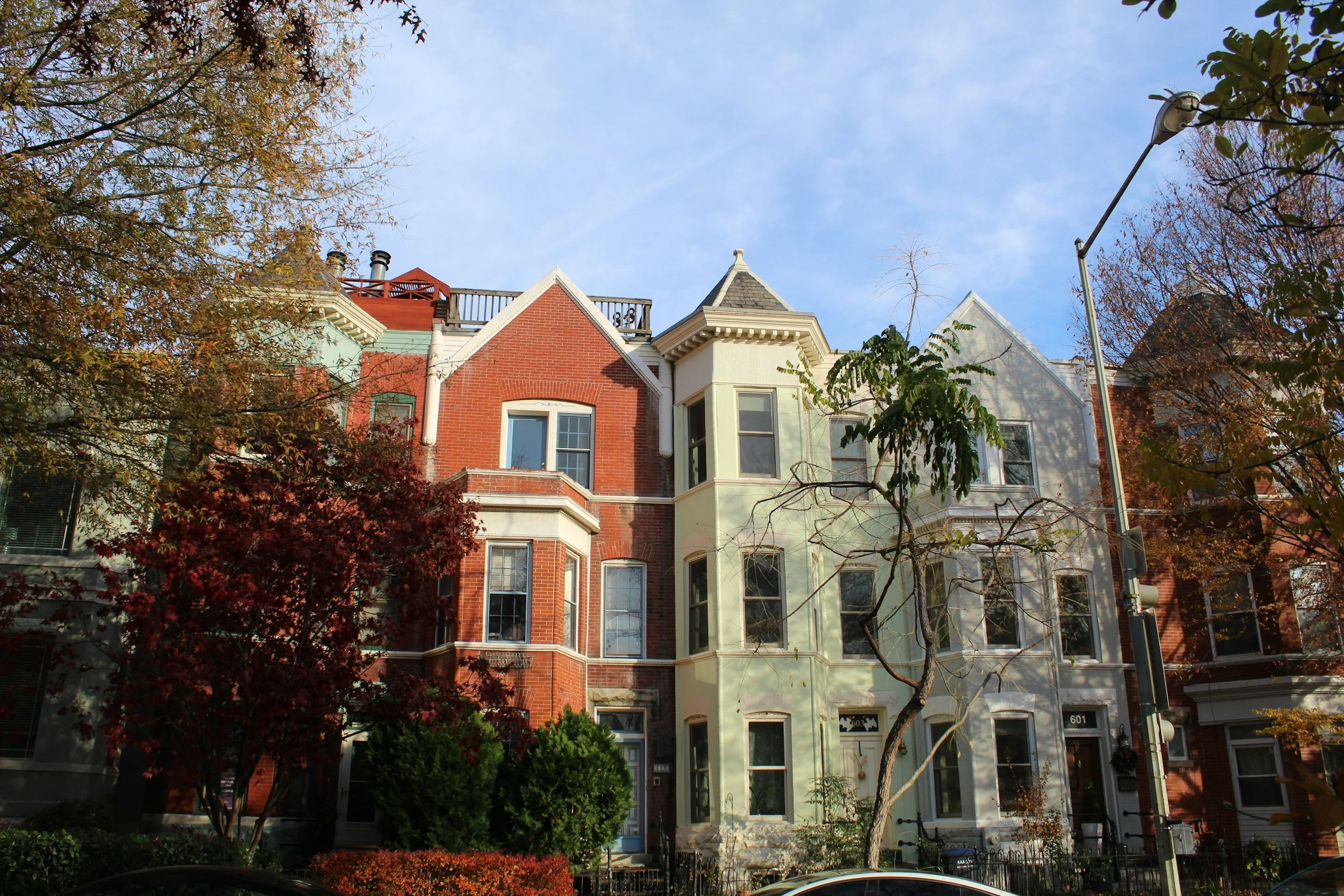
Unlike traditional “smart city” projects, the Baccous District Initiative is human-scale first, built directly into real homes and aligned with the rhythms of daily life in Southeast DC.
It begins with what exists today—three living lab properties within minutes of each other—and grows outward through phased, evidence-based expansion.

Purpose
To demonstrate how residential intelligence, small-building modernization, environmental wellness, and micro-edge AI can become a shared neighborhood resource, improving comfort, resilience, and daily living at the block and district level.
This initiative provides a replicable model for DC organizations, foundations, urban innovation programs, and municipalities nationwide.
Phase Structure
The District Initiative is intentionally phased to maintain fidelity, safety, and clarity.
Phase 1 — Active Now
The Micro-Edge Smart Neighborhood Node™ (3 Properties)
Three real homes—Hillcrest Intelligent Home, Hillcrest Aging-in-Place Prototype, and the Randle Highlands Multifamily—form the first connected intelligence node.
Phase 1 includes:
Smart Asset OS™ environment coordination
cross-property environmental pattern observation
robotics pathways and cleaning cycles across units
electrification and comfort testing across home types
multi-residency comparative intelligence
outdoor wellness mapping
preliminary neighborhood-scale environmental signatures
This phase is fully operational today.
Phase 2 — Multi-Block Expansion
The first prototype of an intelligent residential block.
The next layer expands the node outward to additional homes on the same streets or immediate radius.
Research areas:
block-level environmental sensing
distributed comfort and lighting mapping
localized micro-edge compute nodes
multi-property robotics coordination
shared green corridors and environmental interactions
safe automation alignment across parcels
neighborhood wellness design
aging-in-place support across nearby homes
Phase 3 — District-Scale Intelligence
A human-centered, privacy-first intelligent district.
The final phase extends intelligence across entire neighborhoods and corridors in DC—especially in Ward 7 and Ward 8, where modernization opportunities are strongest.
Future elements include:
distributed micro-edge compute clusters
environmental comfort corridors
robotics-ready mobility paths (indoor/outdoor)
neighborhood wellbeing analytics
multi-building electrification modernization
district-scale resilience behavior
public–private research partnerships
civic innovation collaboration
This phase is a 10+ year vision, grounded in what’s already working at the three-property scale.
Research Focus
Neighborhood Environmental Behavior
How micro-climates, shade, heat patterns, and greenery shape comfort.
Shared Automation & Safety Patterns
Low-friction environmental cues that benefit multiple homes.Robotics Across Homes
How robotic routines evolve when coordinated between properties.Electrification Pathways
Small-building modernization that scales across blocks.Aging-in-Place at Neighborhood Scale
Environment-supported independence beyond the home.Local AI Across Properties
Neighborhood-level patterns learned through privacy-first environmental signals.
Early Insights
From Phase 1, several themes already indicate strong district-scale potential:
Environmental signatures differ significantly between short-term, long-term, and aging-in-place residents.
Robotics efficiency increases when property layouts share design logic.
Safety lighting patterns on a single home can influence perceived block-level comfort.
Outdoor environmental wellness improvements support daily rhythm and micro-movement.
Electrification modernization (such as efficient cooling and lighting upgrades) is readily scalable across nearby homes.
Multi-property pattern learning creates a foundation for local AI beyond the parcel level.
These insights serve as foundational evidence for scalable neighborhood intelligence.
Roadmap
Next steps for the District Initiative include:
formalizing neighborhood sensing points
introducing micro-edge compute nodes
expanding robotics-navigation research outdoors
developing shared environmental wellness corridors
piloting block-level electrification upgrades
collaborating with DC organizations on neighborhood prototypes
integrating district-scale insights into Baccous Intelligence™